
Do Interlock Devices Have GPS? [Explained]
10/14/2026
Author: LifeSafer Team
Whether your ignition interlock device (IID) has GPS depends on your state’s laws, what your court or DMV order says, and the device model you end up with.
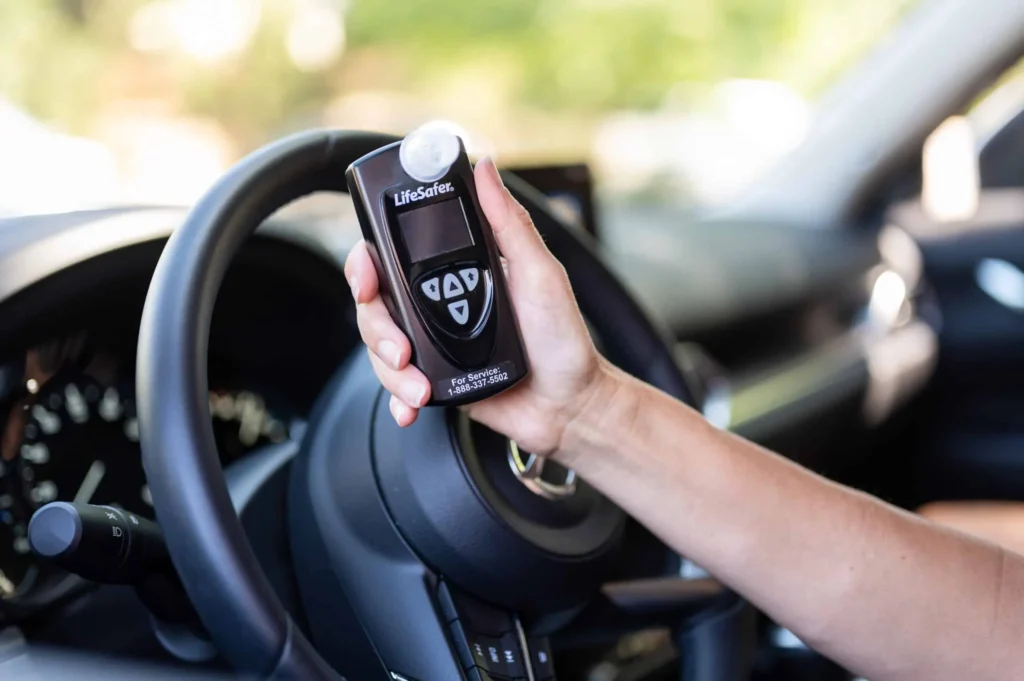
If you just learned you need an interlock, you might picture a little box on your dashboard tracking every turn you make. It’s natural to wonder about that, so here’s what the GPS actually does: it links each breath test to a location, so your program can confirm you’re following the rules.
Below we’ll walk through how it works, what gets recorded, who sees it, and what LifeSafer does to keep your data safe.
Key Takeaways
- Your state program determines whether your interlock model has GPS.
- When GPS is on, it captures your location only at the moment you test, not during the rest of your drive.
- Your data is encrypted and goes only to authorized compliance parties.
Why Do Some Ignition Interlock Devices Have GPS?
Courts and DMVs use ignition interlock GPS tracking mainly to confirm you’re following your program. A location stamp on each breath test tells the monitoring authority where the vehicle was. It also lets them respond quickly when something goes wrong, like a high BAC result, a missed retest, or a tampering attempt.
People sometimes assume GPS is part of how the device catches drinking. It isn’t. GPS has no idea whether you’ve had a drink. The fuel cell breath sensor is the only part of the device that measures alcohol. GPS just pins a location onto a specific test, so every result comes with a time and a place.
How GPS Tracking Works in an Interlock Device
The data moves like this:
- You take a breath test, either at start-up or during a retest.
- The device logs your BAC result and a timestamp. If it has GPS, it logs your coordinates too.
- That record goes to your monitoring authority. It’s either sent wirelessly or downloaded at your regular service appointment.
Here’s the detail most explanations skip: GPS and data transmission are two separate technologies. The GPS receiver identifies where the vehicle is located. A separate cellular module controls whether that information gets sent, and when. The good news is that “GPS-enabled” doesn’t mean someone can follow your car on a live map.
What Data Does an Interlock Device With GPS Collect?
If you’re asking, “Does my ignition interlock device track me?”, the straight answer is: only when you are taking a breath test and during any tampering attempts. It doesn’t follow you continuously while you drive, and nobody is reviewing your daily routine.
A GPS-equipped IID typically logs:
- BAC level for each breath test
- Test results and frequency, including passes, fails, and missed retests
- Tampering or circumvention attempts
- Location at test events, where your state requires it
- Camera images, if your device has a camera (taken only during breath tests)
Who Can See Your IID’s GPS Location Data?
Your data doesn’t go to just anyone. Only the people responsible for your program can see it:
- Your state DMV or licensing agency
- Courts and probation officers
- Treatment providers, if they’re part of your program
At LifeSafer, your data is encrypted and protected by multiple backup security systems. Only authorized staff at your monitoring agency or IID provider can access it. We never make it public, and we never sell it to third parties. IID providers also have to meet strict state compliance standards, so these protections are a condition of operating at all.
Do All States Require GPS on Interlock Devices?
No. GPS requirements vary by state and jurisdiction, and your court or DMV sets them. Even within one state, approved devices can come in different setups, anywhere from camera-only to camera plus GPS plus real-time reporting. Some states have their own GPS rules on top of that, so be sure to confirm your specific program requirements.
Many states also require an ignition interlock camera. Like GPS, the camera only works during tests. It takes a photo when you power up, test, and start the vehicle to confirm the driver is the person blowing into the device. Curious how that works? Read Ignition Interlock Camera: Are They Spying On You?
Feature | What it does | Who decides if it’s required |
Breath alcohol sensor | Measures BAC (every IID has one) | State law |
GPS | Adds location to test events | Your state program, court or DMV |
Camera | Photographs the person taking the test | Your state program, court or DMV |
Real-time reporting | Sends test events to authorities over a cellular connection | Your state program, court or DMV |
Stay Compliant and Confident With LifeSafer
GPS on an interlock is there for accountability and safety, and the features your device needs depend on where you live. LifeSafer devices meet or exceed all state and NHTSA standards. They’re designed to reduce preventable lockouts with a simplified breath test, and there’s real-time feedback on the screen for every test.
You’ll also get service locations nationwide, 24/7 support online and by phone, with live agents trained on your state’s requirements.
Ready to get back on the road? Schedule an installation today.
Frequently Asked Questions
Do Interlock Devices Track Your Location?
Only devices with GPS do, but only to record your location when you take a test or when it detects tampering, not for your whole drive. The location is attached to a breath test so authorities can confirm you’re following your program.
Can I Remove or Disable the GPS on My Interlock Device?
Generally, no. If your court or state requires GPS, disabling or interfering with it can count as tampering, which is a program violation.
Do Interlock Cameras Record All the Time?
No. Cameras only take photos during breath tests, usually when you power up, test, and start the car. Learn more in Ignition Interlock Camera: Are They Spying On You?
Can I Hide My Interlock Device?
Some states require your device to be accessible and visible; hiding, covering, or relocating it can be considered tampering and may result in violations or penalties. The good news is you won’t need to hide it. LifeSafer has the smallest device on the market, similar to a smartphone, designed for comfortable everyday use.