
Save on your interlock program now! Schedule online and save $25.
What Is an Ignition Interlock Device?
An ignition interlock device (IID) is an in-car alcohol monitoring system that measures your breath alcohol concentration (BrAC) before allowing your vehicle to start. Speak to an ignition interlock device expert now to get answers to any questions you have or schedule online in 5 minutes or less.
Verify Interlock Eligibility

What Is an IID Program?
Ignition interlock device programs vary by state, but in general, they all require some combination of the following: obtaining a special license, installing the device, test-taking, device calibration, results reported to monitoring agencies, compliance, and removal upon completion.
What Does an IID Do?
An ignition interlock device tests for the presence of alcohol in your breath. If it detects alcohol, it prevents your car from starting. While you will be required to take periodic tests during your drive, a breathalyzer in car (IID or BAIID) will never stop your car while you are driving.
Where Do I Get an IID?
Local auto service shops have received extensive training from our dedicated operations team. They install and service your leased LifeSafer ignition interlock device with professionalism and accuracy every time. Our local expert technicians can answer all your questions.
What Is an Ignition Interlock Device (IID)?
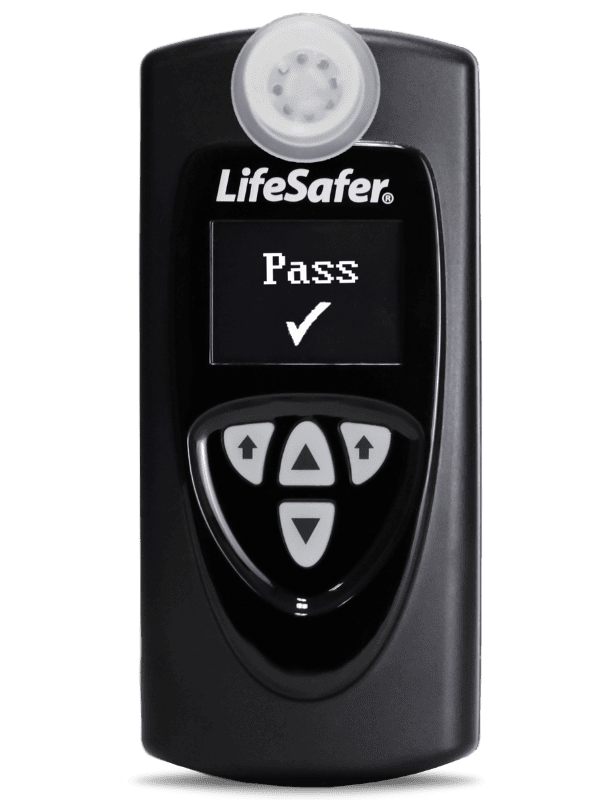
An ignition interlock device (IID) is a small handheld device connected to your vehicle’s ignition system that measures the alcohol level in your breath. Commonly called a car breathalyzer, car interlock, interlock device, or “blow and go,” an IID is often required after a drunk driving offense (DUI, DWI, DUI, OWI, or OVI).
In simple terms, an interlock device is an in-car monitor that prevents a user from starting a vehicle until a breath alcohol test is taken through a breath sample. When the breath test shows alcohol below the preset limit, the vehicle starts. However, if alcohol is detected above the limit, the vehicle will remain locked until a valid test is completed.
LifeSafer is a premier provider of these IID systems, designed to make compliance easier, with over 2,000 locations nationwide and trained professionals available to help throughout the process.
Ready to install?
How Do You Install an Ignition Interlock Device?
Installing an IID starts with selecting a provider approved in your state. Requirements vary depending on where you live and the details of your DUI, DWI, OWI, or OVI case.
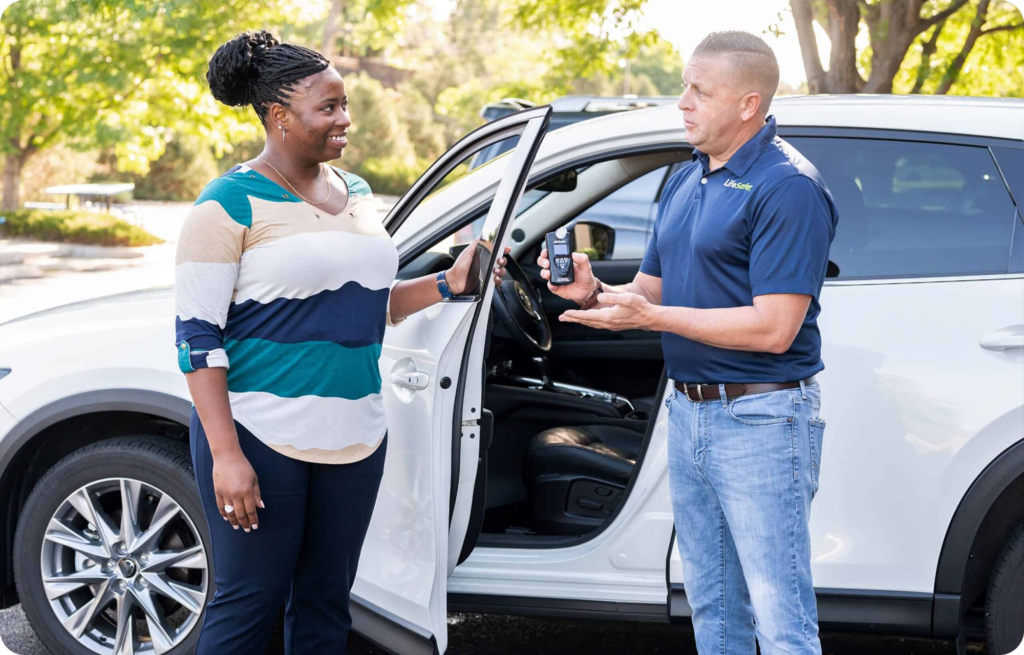
LifeSafer installation technicians complete extensive training and follow state-specific requirements to ensure your IID device is installed correctly. Our installers are trained on LifeSafer equipment, installation procedures, and compliance standards required by state programs.
Your device may include features such as a camera, real-time reporting, or other options depending on your state’s regulations.
LifeSafer is approved to provide ignition interlock systems in 45 states, helping drivers meet their requirements while maintaining access to the vehicles they rely on.
Have questions about your state’s requirements?
How Does an Ignition Interlock Device Work?
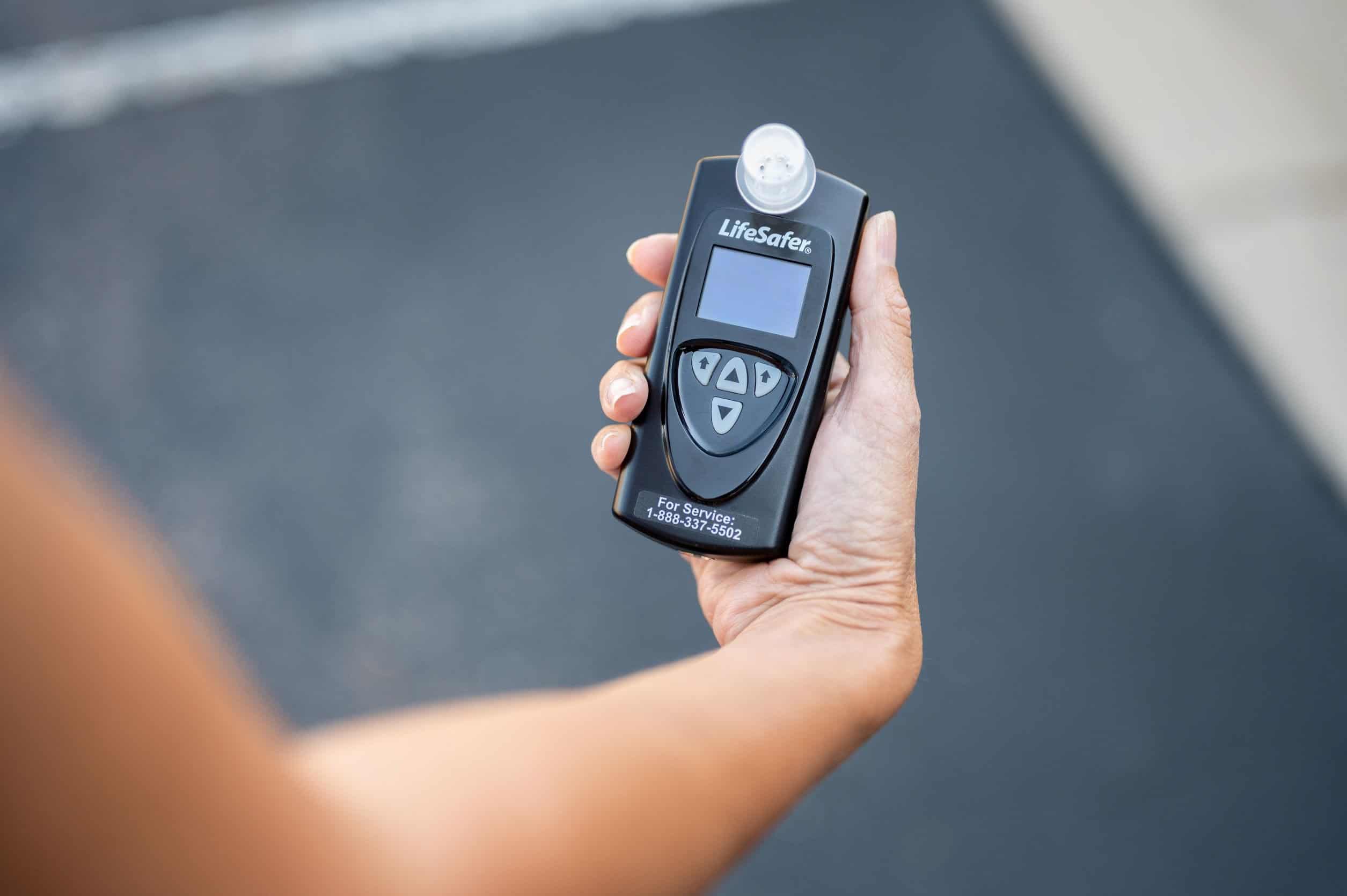
Modern IIDs use fuel cell sensor technology to measure alcohol in a driver’s breath. This technology is designed to provide accurate, consistent BrAC readings while reducing the impact of substances that may interfere with testing.
If the IID registers the breath test results — the BrAC — over the preset limit, the vehicle will not start. If the driver’s breath test is below the preset limit, the vehicle will start.
The interlock device needs to be regularly serviced and calibrated at an authorized service center. The length between these appointments is determined by state law but typically occurs every 30, 60, or 90 days. The LifeSafer device is the smallest and easiest to use on the market. Save on your device today!
- Blow into the ignition interlock device.
- If the result says PASS, your vehicle will start.
- If the result says FAIL, your vehicle will not start and you may need to retest.
What Happens If You Fail an Ignition Interlock Test?
If your IID detects alcohol above the state-approved limit, your vehicle will not start. Depending on your state’s requirements, a failed test may require a retest, may be recorded by the device, and could be reported to the appropriate monitoring agency.
A failed breath test does not always mean a violation occurred. Factors such as mouth alcohol from certain foods or beverages can affect readings, which is why following your state’s testing instructions is important.
View Common IID QuestionsHow Much Does an Ignition Interlock Device Cost?
The cost of an IID depends on your state, program requirements, and the length of time you need the device installed. LifeSafer focuses on transparent pricing, so you know what to expect before starting your program.
Typical IID costs may include:
- Installation fee for placing the device in your vehicle.
- Monthly lease fee for the IID.
- Required calibration and service appointments.
- Removal fee when your program is complete.
LifeSafer offers affordable pricing with no hidden fees. Unlike some providers, LifeSafer does not charge a fee simply for scheduling your installation appointment. Our team can help you understand your expected costs based on your state requirements.

Why Choose LifeSafer as Your Ignition Interlock Provider?
Choosing an ignition interlock provider is an important step when you need to complete a court- or state-required program. LifeSafer focuses on making the process straightforward, from installation through removal.
Drivers choose LifeSafer because we provide:
- Smallest, most discreet device: Our compact IID device is designed to be easy to use and less noticeable inside your vehicle.
- Transparent, upfront pricing: Understand your costs before installation with no hidden fees.
- Easy-to-use technology: Our device uses a simple breath test process without complicated blow patterns.
- No-call install options: Get started online and choose an appointment that works for your schedule.
- Over 35 years of experience: LifeSafer has helped drivers complete ignition interlock programs with reliable service and support.
Ignition Interlock Device FAQs
Can I Drink One Beer With an Interlock?
No. If you have an IID installed, you should avoid drinking any alcohol before driving. Even one beer may affect your breath alcohol reading depending on factors such as your body chemistry, timing, and the device’s testing requirements. The safest approach is to follow your program rules and never drive after consuming alcohol. Ignition interlock programs are designed to reduce alcohol-impaired driving by requiring drivers to provide a breath sample before operating a vehicle.
Do Cops Know if I Have an Interlock Device?
Law enforcement may be able to identify that a vehicle has an IID installed during certain situations, such as a traffic stop or vehicle inspection. IID requirements are typically connected to state monitoring programs, and many devices include features that help document compliance with program requirements.
Can Someone Else Blow Into the Device for Me?
No, another person should never provide a breath sample for your IID. Doing so may violate your program requirements and could result in compliance issues. Many IID devices include additional safeguards, such as cameras and event-reporting features, to help verify that the correct driver is completing required tests.
Will the Interlock Turn Off My Engine While I’m Driving?
An IID will not shut off your vehicle’s engine while you are driving. If your state requires rolling retests, you will be prompted to provide additional breath samples after starting your vehicle. If a retest is missed or failed, the device may record the event and trigger notifications depending on your state’s requirements, but your vehicle will continue operating.
How Long Do I Need an Ignition Interlock Device?
The length of time you need an IID depends on your state laws, the details of your offense, and the requirements set by the court or motor vehicle agency. IID programs vary widely, with some requiring installation for a specific period and others including additional requirements based on compliance history. Checking your state’s specific rules can help you understand how long your program may last.
What Is an Ignition Interlock Rolling Retest?
A rolling retest is a follow-up breath test that may be required after your vehicle has started. The purpose is to confirm that alcohol has not been consumed after driving begins. The device provides prompts and allows time for you to complete the test safely while driving, so you should never attempt to take a test in a way that distracts you from operating your vehicle.
Does an Interlock Drain Your Battery?
A properly installed IID is designed to use very little power when your vehicle is off. LifeSafer’s installation process helps ensure your device is connected correctly, which minimizes battery concerns.

Get back on the road today.
Schedule your installation appointment now!