
Which Interlock Device Is The Best?
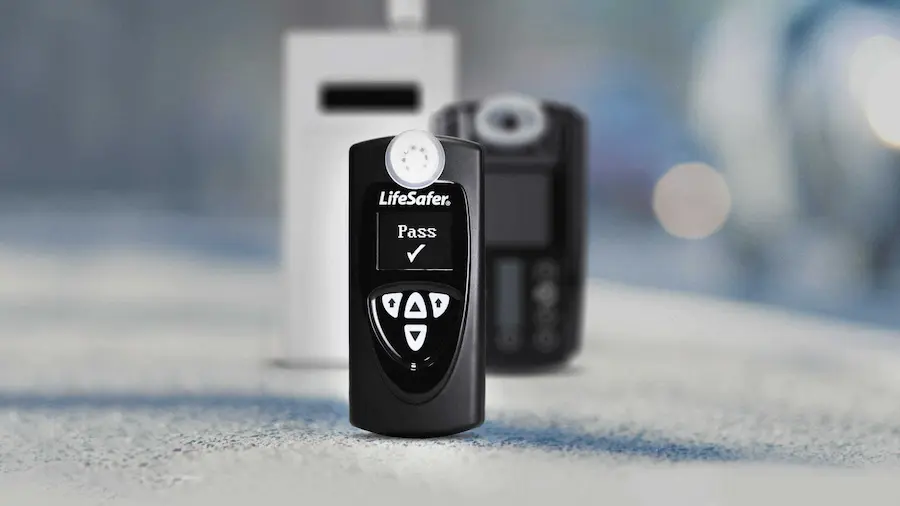
The best ignition interlock device is compact, reliable, easy to use, approved in multiple states, and supported by an experienced provider. An ignition interlock device (IID) is a car breathalyzer connected to your vehicle’s ignition system. It measures your breath alcohol level before allowing the engine to start.
Choosing the right interlock device is important because it will be part of your daily routine for months or longer, helping you drive legally and responsibly.
If you’re deciding which ignition interlock to install, you may be asking, “Which one is right for me?”
First, do your homework. Not all ignition interlock devices are the same.
Your choice affects your daily schedule, compliance, and ability to stay mobile.
What qualities should you look for in an interlock device?
Small, discreet size
You’ll be required by your state to complete retests while driving, so device size and usability matter more than most people realize. Large, bulky devices can be difficult to grab with one hand during a retest and fumbling with an oversized handset while driving creates unnecessary distraction.
Look for a device compact enough to fit comfortably in one hand, with an ergonomic design that makes it easy to lift and use on the go. A dark color helps the device blend into the vehicle interior rather than drawing attention, and a size small enough to fit in a cupholder keeps it within easy reach without cluttering your dash.
Proven reliability
When you start your car, you want it to work without delay. That requires accurate, alcohol-specific fuel cell technology.
Ease of use
The device should be simple enough that you can take tests without being distracted from driving. Look for a device with a built-in LED display and real-time prompts during tests. Clear on-screen guidance helps you know exactly what the device needs before something goes wrong.
Some devices lack these features, which can leave users guessing. Also pay attention to the blow pattern: some devices require a complicated multi-step breath sequence (blow, inhale, then blow again), while others use a simpler, single continuous breath. The easier the process feels naturally, the easier it is to complete consistently and correctly every time.
Wide acceptance
If you travel between states, choose a provider certified in every state where you plan to drive. Limited certification can make compliance difficult during travel.
Experience
Choose a company with years of experience in technology, installation, monitoring, and state compliance. Ignition interlock programs involve more than just the device itself; they also require accurate reporting, monitoring, service support, and compliance management.
A provider with a long track record has the infrastructure to handle all of it. It’s also worth checking that the provider has a stable compliance history with no recent state suspensions or decertifications, which is a strong signal of long-term trustworthiness.
Transparent pricing
Avoid hidden fees. Look for clear monthly billing with no deposit required. The most important thing is not the lowest advertised number — it’s understanding the full program cost upfront.
Be cautious of “as low as” promotions, free install offers, or introductory teaser rates, as those costs are often added back later through additional charges.
NHTSA certification
Make sure the device meets National Highway Traffic Safety Administration (NHTSA) standards for accuracy and reliability. NHTSA certification means the device has passed rigorous independent testing and meets the baseline standards required by courts and state monitoring agencies across the country.
It’s a meaningful signal of accuracy and consumer protection, not just a formality. LifeSafer was the first ignition interlock company to meet NHTSA standards, back in 1992, and every device in its current lineup continues to meet or exceed those requirements.
Why drivers keep choosing LifeSafer: Trusted IID provider for over 35 years
Every ignition interlock device must meet national requirements. The difference is how simple, clear, and reliable the experience feels day to day.
LifeSafer Ignition Interlock meets all these needs and has done so for more than 35 years.
- Small, discreet size: The LifeSafer L250 is smaller than most smartphones, about 2 inches wide and 4 inches long. It fits easily in your hand and can be placed out of sight on the dashboard.
- Proven reliability: LifeSafer keeps hundreds of thousands of drivers on the road every day using advanced fuel-cell alcohol detection technology. A national network of trained technicians keeps each device calibrated for accurate readings.
- Ease of use: The L250 uses an easy-to-read screen that communicates clearly. One quick, simple breath. That’s it.
- Wide acceptance: The LifeSafer L250 device is certified nationwide and is one of the most widely available interlocks in the United States. This means the L250 meets the requirements of even the strictest interlock programs.
- Experience: LifeSafer has over 35 years of expertise in the ignition interlock industry. Our company has decades of expertise in reliable devices, evolving requirements, and customer service.
- Transparent pricing: Trust and honesty are important to us here at LifeSafer, and we will always be transparent in our ignition interlock pricing. There are no hidden fees or tricks with us. We make the process simple and are with you every step of the way.
- NHTSA certification: LifeSafer was the first ignition interlock company to meet the National Highway Traffic Safety Association (NHTSA) standards. With over 35 years of experience, we set the standard for reliable and accurate IID technology and supportive customer care.
When you compare IID providers and ignition interlock reviews, you’ll see that LifeSafer offers reliable technology, strong customer support, and extensive coverage.
Many drivers across the country rely on LifeSafer to stay on the road and meet all legal requirements. See why drivers choose LifeSafer →
Need an IID? Find a LifeSafer Ignition Interlock Location Near You Today!
Frequently asked questions
How do I choose the best ignition interlock device?
Pick a device that’s compact, accurate, easy to operate, certified in your state, and backed by 24/7 support. Transparent pricing without hidden fees is also important.
How much does an ignition interlock device cost?
Costs vary by state requirements and the vehicle you’re installing in. LifeSafer offers clear pricing with no teaser intro rates or hidden fees. Visit the LifeSafer pricing page for details.
How do I compare ignition interlock pricing?
Ignition interlock pricing depends on your state requirements, vehicle type, and the provider you choose. When comparing providers, look beyond low introductory offers or “free” promotions and focus on the total expected program cost. Transparent providers clearly explain installation, monitoring, calibration, and any state-required charges upfront so there are no surprises later.
Can I travel to another state with my interlock device?
Yes, if your provider is certified in that state. LifeSafer devices are installed and serviced in 46 states and Canada, making interstate travel easier.
Are some ignition interlock devices easier to use than others?
Yes. While all devices must meet national requirements, some use more complicated breath patterns or limited feedback systems. Devices with real-time prompts, simpler breath testing, and clearer retest alerts are often easier to use consistently.
What causes ignition interlock lockouts?
Many lockouts are preventable and happen because of missed retests, incomplete breath samples, or user confusion during testing. Choosing a device with clear guidance and easy-to-follow prompts can help reduce preventable issues.
Is it difficult to blow into an ignition interlock device?
Most people learn quickly. The key is using a steady breath and following the device prompts carefully. Some devices are designed with simpler testing processes that feel more natural and require fewer steps.
Do ignition interlock devices damage your vehicle?
When installed correctly by trained technicians, ignition interlock devices are designed to work safely with modern vehicles. Choosing an experienced provider with trained installers is important.