
Alcolock Ignition Interlock vs. LifeSafer Ignition Interlock: Which Is the Best IID?
Ready to install?
If you are ready to install an ignition interlock, schedule your appointment today!
Having to install an ignition interlock device (IID) can be a difficult reality to face. You may be dealing with the consequences of a driving under the influence (DUI), driving while intoxicated/impaired (DWI), or operating a vehicle while impaired (OVI) charge, while also trying to understand what comes next.
Choosing an IID can be harder than it sounds. Search for an ignition interlock, and you’ll find plenty of companies promising affordable prices, reliable technology, and good customer service.
What you don’t always get is a clear sense of what using the device will actually be like, from how the breath test works to where you’ll go for required service to what happens when you need help.
Alcolock and LifeSafer are two companies you may come across as you research your options, and the differences between these providers are important before you commit to a device. Both provide IIDs, but there are some important differences in the devices, testing process, pricing, and service experience. These details matter.
So, Alcolock vs. LifeSafer: which is the better choice? Let’s compare the two providers and look at what each one offers, so you can decide with a clearer idea of what to expect.
Key Takeaways
- Both providers offer NHTSA-certified devices, 24/7 support, and state-approved installation, but the everyday experience differs.
- LifeSafer has nearly 2,000 nationwide service locations versus Alcolock’s hundreds, making it easier to find a convenient spot for calibrations.
- LifeSafer’s compact L250 uses a one-step test with no inhaling, while Alcolock’s testing procedure varies by model.
- LifeSafer offers upfront, transparent pricing with no deposit in many situations; Alcolock’s deposit and pricing can vary by program.
What Is Alcolock Ignition Interlock?
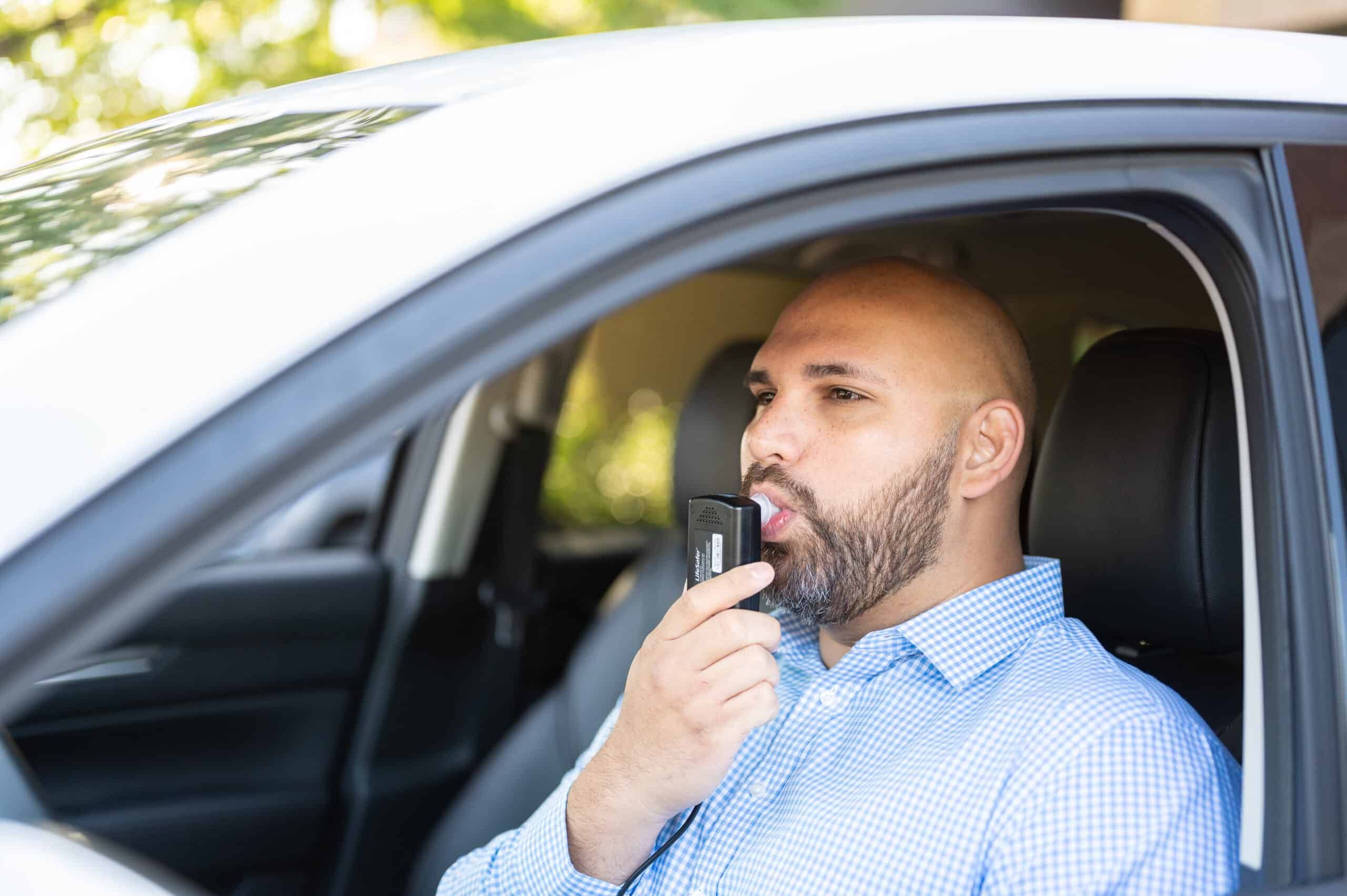
An Alcolock ignition interlock is an in-vehicle breath-testing device that connects to your vehicle’s ignition system. Before starting the car, you provide a breath sample. The device measures your breath alcohol concentration (BrAC). If the reading is above the limit for your IID program, the vehicle won’t start.
Alcolock offers several ignition interlock models, including the GR, LR, and WR3. Its devices use fuel-cell technology and include features such as event logging and anti-circumvention measures. Some models also provide on-screen instructions to walk you through the testing process.
Alcolock Ignition Interlock Key Features
Alcolock’s approach combines quality and affordability, while promoting its products as a trusted choice for ignition interlock users. Highlighted features include:
- Fuel-cell alcohol sensing technology
- National Highway Traffic Safety Administration-compliant IIDs
- On-screen testing instructions
- Anti-circumvention technology
- Event logging
- State-approved installation and service
- 24/7 customer support
- A network of hundreds of U.S. service locations
But a feature list only gets you so far. If you’re going to use an IID every day, the size of the handset, how you provide a breath sample, and how easy it is to get help can be just as important.
What Is LifeSafer?
LifeSafer has been in the ignition interlock business since 1991. That’s more than three decades of working with people who need an IID, as well as the courts, state agencies, and technicians who make these programs work.
The company helped establish the ignition interlock industry and was the first provider to meet NHTSA’s technical standards for ignition interlocks. Today, LifeSafer offers NHTSA-certified technology through nearly 2,000 certified installation and service locations nationwide.
LifeSafer’s IID is also designed for everyday use. It’s compact, and its blow pattern doesn’t require you to inhale before providing the sample.
That’s a small distinction on paper. After you’ve used an IID every morning before work, it can feel like a much bigger one.
LifeSafer Key Features
LifeSafer’s current IID offering includes:
- Compact, discreet L250 handset
- One-step testing without inhaling
- NHTSA-certified technology
- Automatic sleep mode to help conserve battery power
- Programmable warm-up settings
- Upfront, transparent pricing
- No deposit in many situations
- Nearly 2,000 certified locations nationwide
- 24/7 customer support
- Online appointment scheduling
- Same-day installation available at many locations
- Motorcycle installation available in select states
LifeSafer also supports your experience after installation. An IID isn’t something you buy and forget about. You’ll need periodic service, and your provider needs to be there when you have a question or run into a problem.
Alcolock vs. LifeSafer: Head-to-Head Comparison
If you’re comparing Alcolock vs. LifeSafer, the monthly price is only one piece of the decision. Look at what you’re getting for that price and what using the device will be like over the length of your program.
Category | ALCOLOCK | LifeSafer |
Pricing | Varies by state, vehicle, and program | Upfront pricing based on your state and program |
Deposit | May vary by program | No deposit required in many situations |
Device Size | Varies by model | Compact L250 designed for discreet everyday use |
User experience | On-screen instructions on applicable models | Simple one-step testing with an easy-to-read display |
Blow pattern | Testing procedure varies by device | One-step test; no inhaling required |
Customer support | 24/7 support | 24/7 support plus online scheduling |
Locations | Hundreds of U.S. locations | Nearly 2,000 nationwide locations |
Trustpilot rating | 2.3 at the time of writing | 4.5 at the time of writing |
*Pricing, device availability, and program requirements vary by state. Always confirm the details that apply to your specific IID program.
Pricing
IID pricing is one area where it’s easy to get an apples-to-oranges comparison.
Your state sets the requirements, and your vehicle can affect installation. Providers may also package installation, monthly rental, calibration, and other charges differently. This is why an advertised starting price doesn’t necessarily tell you what you’ll spend over the full program.
LifeSafer provides upfront quotes on the cost of an IID based on your circumstances.
Deposits
The amount you’re expected to pay before installation matters, particularly when an IID wasn’t exactly a planned expense.
LifeSafer does not require a deposit in many situations. Alcolock’s requirements can vary depending on your program and location. It’s worth asking exactly what you’ll need to pay before the installation appointment.
Tip: When comparing quotes, ask about the total upfront amount, not just the monthly lease.
Device Size and Everyday Use
You’ll probably notice the physical device before you notice anything else about the technology.
LifeSafer’s L250 is designed to be small and discreet. It’s there when you need it, but it doesn’t take over your dashboard
The testing process is another difference. LifeSafer uses a one-step test, so you don’t have to inhale into the device before giving your sample. With our device, simply saying “dooooooo” in your normal speaking voice can help you complete the test successfully.
Depending on the model, Alcolock’s devices use their own testing procedures. For example, its WR3 requires a steady breath for several seconds.
Neither approach makes a single device automatically right for everyone; however, if you’re going to use an IID several times a day, it’s reasonable to pay attention to something you’ll be physically using that often.
Customer Support
An IID problem doesn’t always happen Monday through Friday at 10 a.m. Both companies offer 24/7 customer support, which is important when you’re trying to understand an alert, figure out what to do after a failed test, or deal with a problem outside regular business hours.
For users, Lifesafer includes an online chat option and portal for account management. They also combine their support team with online scheduling and a large service network. With nearly 2,000 locations, you may have an easier time finding a certified service center that fits into your regular route.
Reviews
Online reviews aren’t a perfect way to judge an IID provider, as each person’s experience can depend on the particular service center, and people tend to be more motivated to leave a review when something has gone very well — or very badly.
Still, they’re useful information when you’re comparing companies.
At the time of writing, LifeSafer has a 4.5 TrustScore on Trustpilot, while Alcolock has a 2.3 TrustScore. LifeSafer also has a much larger number of reviews, so the two scores aren’t a perfectly equal comparison.
This is worth considering alongside information you can verify yourself, such as available locations, pricing, and device features.
Which Ignition Interlock Provider Is Right for You?
There’s no reason to choose an IID provider based on a flashy headline price alone.
If Alcolock has a certified location that’s five minutes from your house, has the device you prefer, and has given you a clear price that works for your program, it may be a perfectly reasonable option. Convenience matters, especially when you’ll have to return for service.
But if you’re starting your search with a blank slate, LifeSafer has significant advantages:
- The L250 is compact.
- The one-step test is straightforward.
- Pricing is designed to be transparent.
- There’s no deposit in many situations.
- It’s been in operation since 1991.
- It has nearly 2,000 locations across the country.
That last point deserves more attention than it usually gets. If your IID requires regular calibration, you’ll be making trips to a service center. A location that’s close to home or on your way to work can save you a lot of aggravation over time.
So when it comes to LifeSafer vs. Alcolock, LifeSafer is the stronger choice for someone who wants a long-established provider, a discreet device, and a large service network without having to piece together the actual overall cost of the program.
Get Started With LifeSafer Today
Once you’ve compared the devices and reviewed the practical differences, the next step is simply finding out what applies to your IID program. Your state, vehicle, and requirements will determine the details, so there’s no need to make a decision based on a generic price or someone else’s experience.
Contact LifeSafer for a free, no-obligation quote based on your situation, with upfront pricing so you know what to expect before installation.
Ready to install? Find a location near you and get started today.
Frequently Asked Questions
How does the Alcolock ignition interlock work?
An Alcolock ignition interlock requires you to provide a breath sample before you start your vehicle. The device measures your BrAC and prevents the vehicle from starting if the reading exceeds the limit programmed for your IID program. Depending on the device and state requirements, additional samples may be required while you’re driving.
How much does an ignition interlock device cost?
The cost of an IID depends on your state, vehicle, provider, and program requirements. Installation, monthly lease, calibration, and other fees can all affect the final amount, so it’s worth getting a quote that reflects your specific program rather than relying on a national average.
How long does alcohol stay on your breath for an interlock test?
There’s no dependable amount of time you can wait after drinking and assume you’ll receive a passing IID result. Alcohol from the night before can still affect a morning breath test, which is why LifeSafer recommends avoiding alcohol while you’re participating in an IID program.
Is LifeSafer available in my state?
LifeSafer provides ignition interlock services in all 50 states, with nearly 2,000 certified locations nationwide. Find a LifeSafer location near you to see what options are available, as the exact device and program requirements vary by state.