State Spotlight – Interlock and DUI Laws in the State of Florida

With unlimited miles of beaches, brilliant sunshine, and palm trees everywhere you look, it’s easy to let the vacation mood carry you DUI laws State of Floridaaway in Florida. But if you think about taking that vacation attitude and drinking to excess then getting behind the wheel while there, think again – the DUI Laws in the State of Florida are among the strictest in the USA, and the state registered 33,625 DUI convictions in 2011 alone.

If you are pulled over by an officer of the law in Florida and he or she suspects you of driving under the influence, you are required by Florida’s Implied Consent Law to submit to a blood, urine, or breath test. If you refuse the test, you will immediately have your privilege to drive suspended for a period of one year. If you refuse for a second time, you’ll have a suspension of 18 months.

For a first DUI offense in Florida, you’ll receive a minimum $500 fine, 50 hours of community service, up to one year of probation, and potentially be required to do jail time of no more than 6 months if you register .08 BAC or below. A second conviction will net an offender a minimum of $1000 fine, no more than 9 months in jail, and they will be required to install an ignition interlock device for a minimum of one year.


Ignition Interlock Success

Ignition Interlock Success

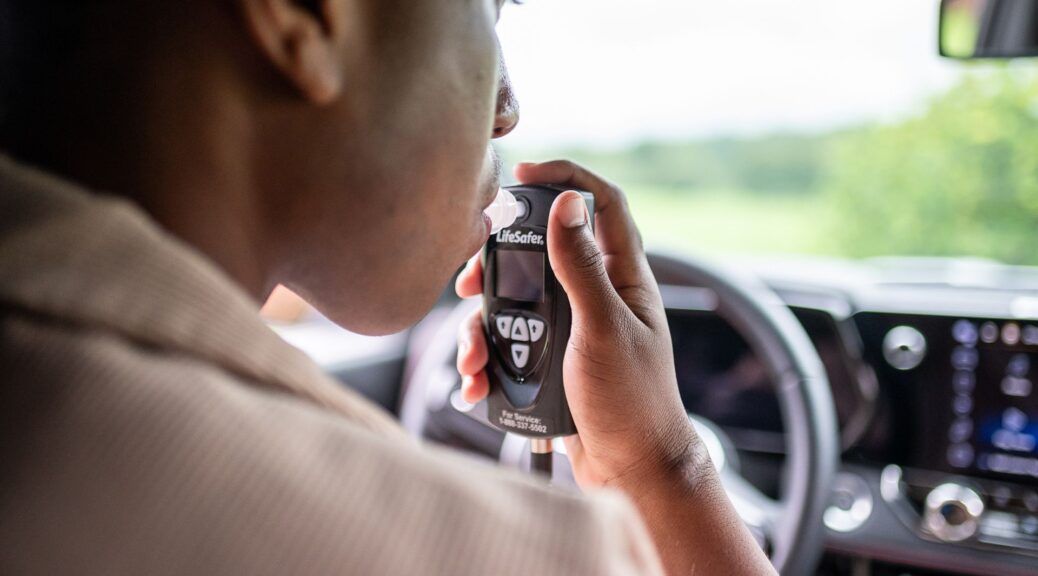
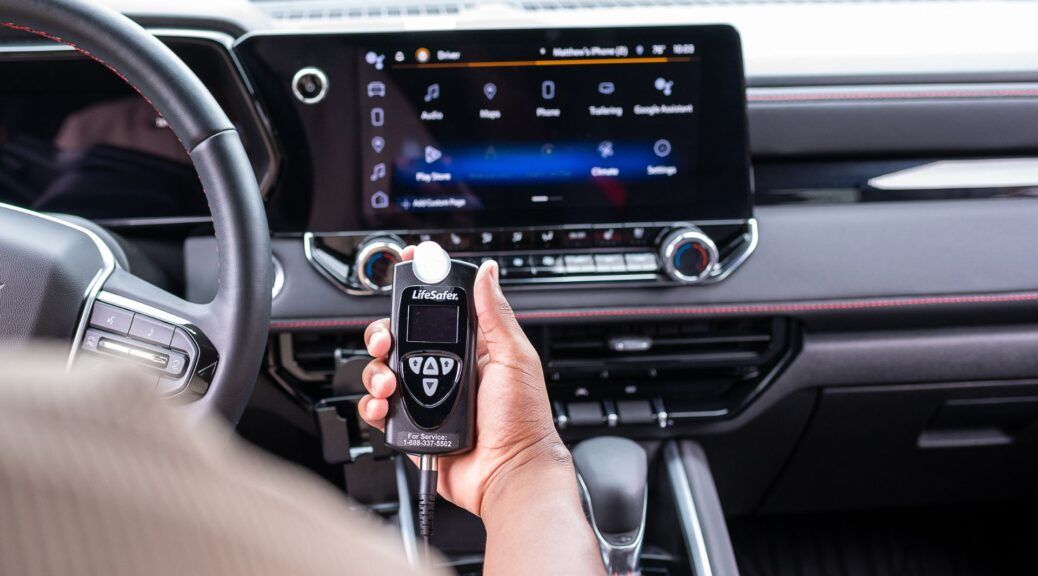
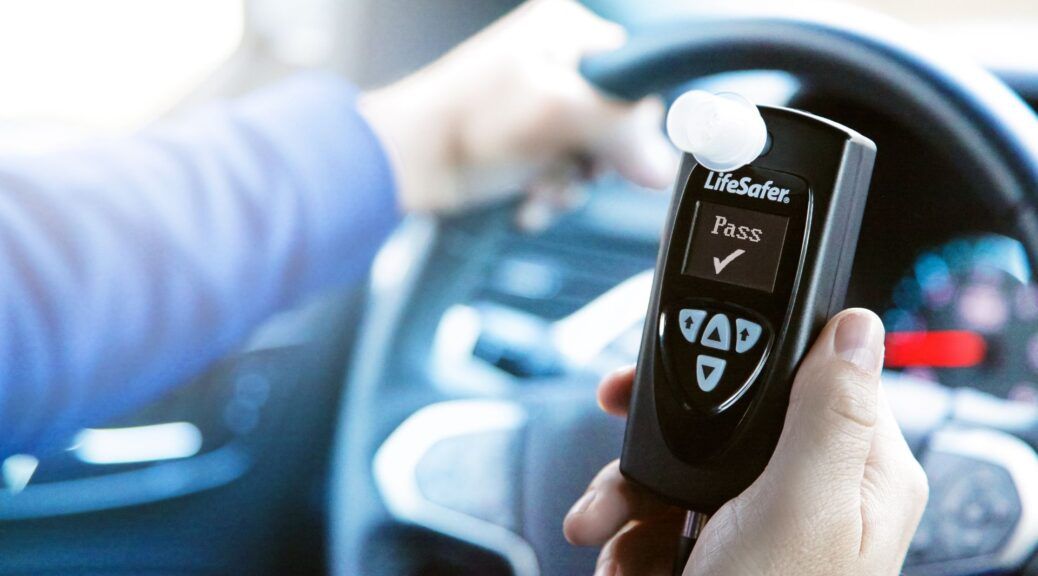
With Tennessee becoming the 18th state to require mandatory ignition interlock installation, the importance of these devices can not be more important to those residents. According to the NHTSA, research compiled from 10 different states shows that ignition interlock devices are reported to reduce repeat DUI offenses by 50-90% when they are installed and serviced correctly on an offender’s vehicle. These success rates are attributed to both first-time offenders as well as “hardcore” offenders.

An ignition interlock device helps save lives, prevent injuries and damage to property, lessening the financial burden faced by the offender, family and taxpayers. Each state that has implemented ignition interlock laws has seen a reduction in DUI/DWI recidivism, proving that by taking away the choice to drink and drive, our streets are safer for everyone.

What You Can Do About Teen Binge Drinking

Teen binge drinking Although all 50 states have made it illegal for anyone under the age of 21 to operate a vehicle with a blood alcohol level of .02, .01, or even .00 if the smell of alcohol is detectable, teens are still defying zero tolerance blood alcohol laws and continuing to get behind the wheel after drinking alcohol. Even worse, most of these teens haven’t had just one or two drinks before driving – they’ve been binge drinking.

Binge drinking is defined as the consumption of 4 or more alcoholic drinks for women or 5 or more drinks for men during a period of 2 to 3 hours. And it’s easier than you think for a teen to get caught up in binge drinking. Most teens don’t drink to be social; they drink to get drunk as quickly as possible. Because of the amount of alcohol so quickly consumed, teens usually suffer from acute alcohol intoxication and are in no shape to walk, let alone operate a vehicle.

Yet 85% of the teens that reportedly engaged in drinking and driving also stated that they were binge drinking before. In fact, 1 in 5 teens involved in fatal crashes in 2010 actually had blood alcohol levels that were higher than the .08% legal limit for adults.

If you are worried about your teen binge drinking and driving, there are several steps you can take. First, do your best to realize that teens do binge drink to excess, and you need to educate your teen on the dangers of excess alcohol consumption. Explain to them the severe consequences of driving under the influence, and always ensure they know how to find a safe way home when they need one.

What makes a good DUI law?

Good DUI lawsYou might think you’re only going to have one drink, that you won’t be over the legal limit, and that you can get yourself and your passengers home safe and sound after tipping back a few alcoholic beverages – but drinking any amount of alcohol before driving has definite and often immediate consequences. No matter where you are in the USA, judgments for drinking and driving offenders is swift and, often times, very tough.

But what makes up a good DUI law? For states like Georgia and Florida, a good DUI law enforces an immediate suspension of your privilege to drive for a minimum of 4 months. And that’s for a first time offender – second time offenders in Georgia stand to lose their drivers license for a year and a half. If you are convicted of DUI in Florida or Tennessee, first time offenders could also spend 9 to 11 months in jail.

Ignition interlock laws are fast becoming a part of good DUI laws. Even for first time offenders, ignition interlocks are figuring prominently in an offender’s justice program after conviction. In states like Iowa for example, ignition interlocks are required for first time offenders if their blood alcohol level registers at .10.  New Mexico requires ignition interlocks for first time offenders for a minimum of one year, and New York law states that those convicted of DWI are required to install an IID for a period of six months.

By making ignition interlocks part of DUI laws, states are taking into account the fact that behavioral change does take time, and requiring IIDs for a long period of time for first and multiple offenders can help support the offender as they commit to not drinking and driving again.

The best course of action for anyone is to avoid alcohol altogether when planning to drive, but good DUI laws are in place to keep people mindful of consequences, prevent drinking and driving, and help people stay safe both on the road and off.


State Spotlight – Interlock and DUI Laws in the State of Texas

The Lone Star State of Texas is home to never-ending open roads, cattle ranches as far as the eye can see, and wide-open blue sky. DUI Laws in the State of TexasThe second largest of the 50 States, Texas is also home to strict DUI laws to clamp down on potential drinking drivers.

DUI Laws in the State of Texas state that driving while intoxicated is considered a class B misdemeanor. A first time DUI offender can see jail time of anywhere from 3 to 180 days and pay fines up to $2000. First time offenders also need to attend an alcohol assessment and evaluation or treatment, as well as have their driver’s license suspended from 90 days to 1 year. Texas is one of the many states where ignition interlock devices are required in order for first time offenders to receive a reinstatement of their privilege to drive through a restricted driver’s license.

Second time DUI offenders in the State of Texas can be found guilty of a Class A misdemeanor, serve jail time from 30 days up to 1 year, and pay fines up to $4000. Third time offenders are guilty of a third degree felony, can serve jail time from 2 to 10 years, and pay fines up to $10,000. Both second time and third time DUI offenders can have their privilege to drive revoked for 180 days to 2 years and are required to install an ignition interlock device in their vehicle.


Great Non-alcoholic Drinks for a Fun Alcohol-free Summer

great non-alcoholic party drinksSummertime means sunshine, relaxation, and a sweet, mellow feeling that takes over until the chilly winds of fall hit the streets again. And for many people, summertime also means celebrating with summer pool parties and outdoor events where alcoholic drinks flow.

When everyone is relaxed and enjoying themselves, it can be hard to tell how many drinks will put you over the legal limit for drinking and driving. The safest way to have fun this summer at BBQs, parties, and small get-togethers is to avoid drinking alcohol altogether and stick to great non-alcoholic drinks. The good news is that non-alcoholic drinks don’t have to be boring. With so many different types to choose from, you’ll never even notice there is no alcohol in your beverage.

Like Orange Creamsicle drinks? No problem – just mix one scoop orange sherbet and one small scoop frozen orange juice in a glass, then top it off with ginger ale.  You won’t be able to tell there is no alcohol in the drink. Non-alcoholic punch is easy to make. Just throw a few scoops of sherbet, some fruit punch, fresh pineapple chunks, strawberries, and bananas in a blender. Blend for a few minutes, then pour into a punch bowl and mix in a large bottle of ginger ale or lemon lime soda.

How about a spicy Virgin Bloody Mary? The taste is so amazing, you’ll never miss the alcohol:

Non-alcoholic Bloody Mary

  • 3 cups Bloody Mary Mix
  • 1 tbsp horseradish
  • 1 tsp fresh dill
  • 1 tsp Frank’s RedHot
  • 2 tbs dill pickle juice
  • ½ cup kosher salt
  • 1 tsp black pepper
  • 1 tsp celery seed
  • Juice of one lime
  • 6 dill pickle spears
  • Lime wedges

In a large bowl, stir together the Bloody Mary mix, dill, Frank’s RedHot, dill pickle juice, and horseradish.

In a small bowl, stir the salt, pepper, and celery seed. Pour limejuice onto a small saucer. Dip each glass in limejuice and coat the rim with the spice mixture. Fill glasses with ice and fill with your Bloody Mary mixture. Garnish with a dill pickle and a lime wedge – Serve!

Proper Child Safety Seat Placement

Proper Car Seat Safety Car crashes can happen at any time. Whether you’re just on your way to the market for some groceries on a long road trip, you need to prepare yourself, your children, and your vehicle for the possibility of a crash, and there’s no better way to protect your child while he or she is in your vehicle than a properly installed car safety seat. Given that car seat safety rules have evolved over the years, it’s a good idea to brush up on the proper child safety seat placement for your type of vehicle.

Did you know car crashes are the number one killer of children from the ages of 1 to 12, and that 3 out of 4 car seats are improperly installed? It’s not surprising there is confusion surrounding the proper child safety seat placement considering there are so many different types of car seats available for purchase. To start, reading your vehicle’s owner manual will give you insight into the type of car safety seat you should purchase. Once you’ve selected a car seat, be sure to read through the instruction manual prior to installing the seat.

The two most common ways to install a car seat include the LATCH system, which is short for Lower Anchors and Tethers for Children, and by using a seat belt. The LATCH system anchors the car seat to two small metal bars found in your vehicle. You can find car seats utilizing the LATCH system on both rear-facing infant car seats and front facing toddler car seats. Other car seat systems use seat belts to securely anchor your car seat into the vehicle, and you can use the seat belt method with the base of your rear facing infant car seat or with larger infant and toddler car seats. Always be sure to select the method recommended by the car seat manufacturer to ensure maximum safety for your child.

If you have questions or concerns about your car safety seat placement, you can visit a Child Car Seat Inspection Station in your State free of charge.


What Happens When You Get a DUI While on Vacation?

DUI While on VacationWhen you pack your suitcase and head out the door on vacation, very often your mind will go on vacation with you. In search of a much-needed break, some people let the thoughts of work and daily schedules fly out the window along with their inhibitions. Unfortunately, this type of mentality can also cause a slip in judgment when it comes to drinking alcohol to excess, and that can result in a DUI while on vacation.

What do you do if you are arrested for DUI while on vacation in another State? For starters, don’t pack up and leave your vacation spot to head home in an attempt to ignore the entire incident. Under the Interstate Drivers License Compact, your own State will treat your DUI offense as if you had committed it home. Given the current nationwide laws, there is no running away from a DUI offense.

Some of the penalties you could incur when receiving a DUI while on vacation include hefty fines, driver’s license reinstatement fees for both States, and court dates for both States. You may also have to attend drug and alcohol counseling in the State where you committed the DUI offense, resulting in you incurring travel costs as well.

It’s fun to relax and let your cares slip away while on vacation, but don’t let your common sense head out the door too. Avoid drinking and driving no matter where you are.


State Spotlight – Interlock and DUI Laws in the State of Alaska

Alaska DUI Laws Alaska may be ‘America’s Last Frontier’ in some circles, but the State certainly isn’t lagging behind the country when it comes to DUI laws. For starters, Alaska has strict penalties if you refuse to submit to a chemical test to register your blood alcohol level when pulled over on suspicion of drinking and driving. DUI Laws in the State of Alaska also include an implied consent law that requires a first time refuter to serve 3 days in jail, install an ignition interlock device, and pay fines up to $1500. The fines and the jail time get longer and higher with each refusal to submit to a test.

DUI Laws in the State of Alaska require mandatory ignition interlock devices to be installed for all offenders arrested for DUI, including first time offenders. Penalties for first time offenders include an administrative license suspension for 90 days upon arrest. There is also a mandatory incarceration period of 3 days upon conviction of DUI, and the offender is required to install an ignition interlock device. That individual must also undergo a substance abuse assessment as well as pay fines up to $1500. Alaska has higher penalties if the offender has a blood alcohol level of .15, and these are levied at the discretion of the judge.

Although first time offenders are subject to strict justice should they been arrested for DUI, fines and penalties only increase for second time offenders. In the State of Alaska, second time DUI offenders are required to have their privilege to drive revoked for a minimum of one year. They must also serve time in prison for a minimum of 20 days, install an ignition interlock device for a minimum of 12 months, and pay fines up to $3000.


State Spotlight – Interlock and DUI Laws in the State of Illinois

DUI Laws in the State of IllinoisIt’s a sad fact that in 2011 there were 323 people killed in alcohol-related crashes in the State of Illinois, and these preventable crashes made up 35% of the total crashes occurring that year. It’s no wonder then, that DUI laws in the State of Illinois are showing an increasing trend of coming down hard on first time offenders and increasing the use of ignition interlock devices.

In Illinois, if a driver suspected of driving under the influence refuses to submit to chemical test to assess their blood alcohol level, they will have their driving privileges revoked for a minimum of one year. First time offenders who are convicted of DUI are guilty of a Class A misdemeanor and will also have their driving privileges revoked for a minimum of one year. As well, if the driver has a blood alcohol level of over .16, they are subject to fines and community service. If the first time offender is transporting a child under the age of 16 at the time of the DUI and the child receives bodily harm in a crash, the offender will be convicted of an Aggravated DUI, pay hefty fines, and perform community service in a program benefiting children.

In addition to the license suspension, fines, and community service the first time offender may perform after being arrested for DUI in the State of Illinois, they also have to follow strict protocol in order to regain their driving privilege. If they wish to drive during their suspension, DUI offenders are required to have an ignition interlock device installed in their vehicle. If the offender refuses to install the IID and they are caught driving during their suspension, they are guilty of a Class 4 felony. Second and third time offenders are also required to install ignition interlocks in order to regain their privilege to drive in Illinois.